


The shift isn't just about fitness anymore
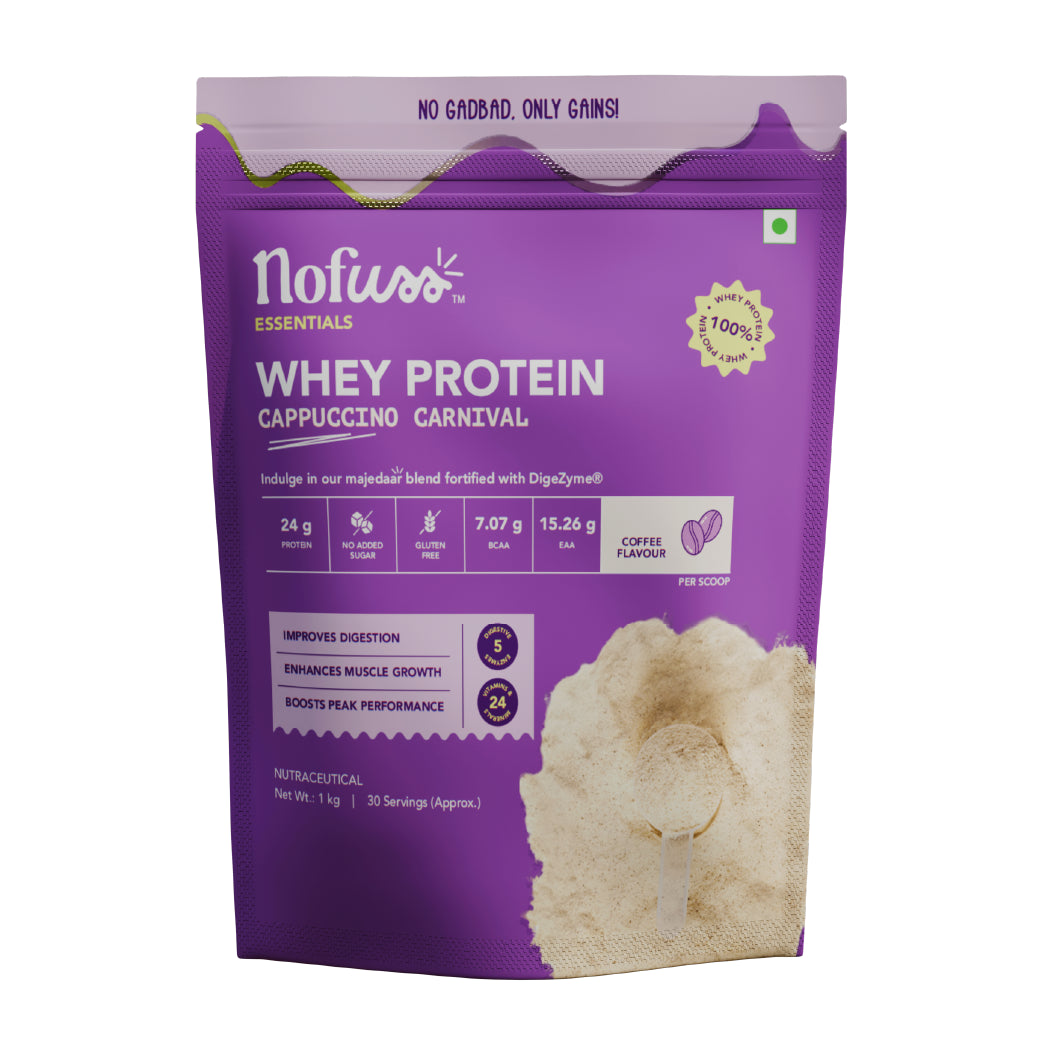
For years, whey protein has been the default choice for gym-goers, athletes and anyone looking to increase their protein intake. Today, however, consumers are actively seeking plant-based protein options - not just because they're vegan, but because they're looking for smarter, more sustainable and future-ready nutrition.
1. India's Protein Future Can't Depend Entirely on Imported Whey
A significant portion of whey protein used in India is imported. Global dairy supply fluctuations, transportation costs and currency movements can directly impact availability and pricing.
Plant proteins, on the other hand, can increasingly be sourced from crops such as mung bean, rice and soy, making them a more resilient option for India's growing protein needs.
2. Sustainability Is Becoming a Real Purchase Driver
Consumers today are more aware of where their food comes from. Compared to animal-derived proteins, plant proteins generally require fewer natural resources and have a lower environmental footprint.
For many, choosing plant protein isn't about eliminating animal products entirely - it's about making more conscious and sustainable food choices.
3. The Rise of Satiety, Fibre and the GLP-1 Conversation
The nutrition conversation is changing. Consumers are increasingly interested in satiety, appetite management and metabolic health.
Plant protein products are often naturally paired with dietary fibre from ingredients such as oats, legumes and prebiotic fibres. This combination can help create more satisfying foods that align with modern wellness goals.
People now want foods that are high in nutrition but lighter on the stomach. Plant protein supports this demand with cleaner, fibre-rich formulations that fit easily into everyday lifestyles.
4. Consumers Want Everyday Nutrition, Not Just Sports Nutrition
Whey protein built its reputation in gyms. Plant protein is building its reputation in everyday life.
From working professionals to students and busy parents, consumers are looking for convenient ways to increase their protein intake. Plant protein bars and snacks feel less like supplements and more like real food.
5. Better Taste, Better Technology
A decade ago, plant protein products were often criticized for being gritty or chalky. Today, advances in ingredient technology and flavour systems have dramatically improved taste and texture.
Modern plant protein products are proving that nutrition doesn't have to come at the cost of enjoyment.
The Bottom Line
The rise of plant protein in India is about much more than veganism. It's being driven by supply-chain realities, sustainability concerns, growing interest in satiety and metabolic health, and a demand for convenient everyday nutrition.
Plant protein is no longer an alternative. For many consumers, it's becoming the preferred choice.


